Optimizing Home Systems for Safety and Efficiency
- Gregory Bally
- Apr 27
- 4 min read

In today's world, where energy costs are rising and safety concerns are paramount, optimizing home systems for both safety and efficiency has never been more critical. Homeowners are increasingly looking for ways to enhance their living spaces while reducing their environmental footprint and ensuring the safety of their families. This blog post will explore practical strategies to achieve these goals, focusing on various home systems, including heating, cooling, electrical, and security systems.

Understanding Home Systems
Before diving into optimization strategies, it's essential to understand the various systems that make up a home. Each system plays a vital role in the overall functionality and safety of the household. Here are the primary systems to consider:
Heating and Cooling Systems
Heating and cooling systems are responsible for maintaining a comfortable indoor climate. They include:
Furnaces: Used for heating, often powered by gas or electricity.
Air Conditioners: Essential for cooling during hot months.
Heat Pumps: Provide both heating and cooling by transferring heat.
Electrical Systems
The electrical system powers everything from lights to appliances. Key components include:
Wiring: The network that delivers electricity throughout the home.
Circuit Breakers: Protect against overloads and short circuits.
Outlets and Switches: Facilitate the use of electrical devices.
Plumbing Systems
Plumbing systems manage water supply and waste removal. They consist of:
Pipes: Transport water to and from fixtures.
Water Heaters: Provide hot water for various needs.
Sewage Systems: Remove waste from the home.
Security Systems
Security systems protect the home from intrusions and emergencies. They include:
Alarm Systems: Alert homeowners to unauthorized entry.
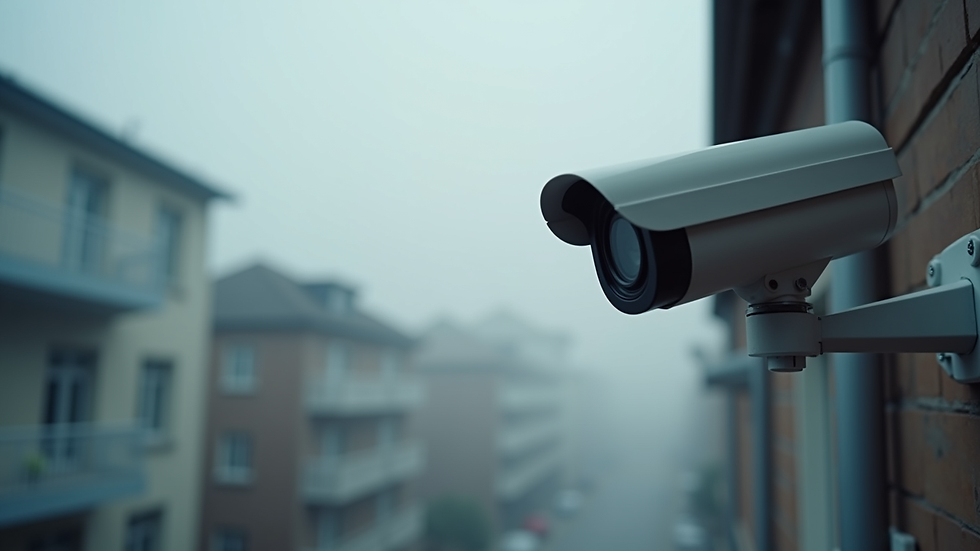
Cameras: Provide surveillance and monitoring.
Smart Locks: Offer keyless entry and remote access.
Optimizing Heating and Cooling Systems
Regular Maintenance
One of the most effective ways to ensure your heating and cooling systems operate efficiently is through regular maintenance. This includes:
Changing Filters: Dirty filters can restrict airflow, making systems work harder. Change filters every 1-3 months.
Annual Inspections: Schedule professional inspections to identify potential issues before they become costly repairs.
Smart Thermostats
Investing in a smart thermostat can significantly enhance energy efficiency. These devices learn your schedule and adjust temperatures accordingly, leading to:
Energy Savings: Smart thermostats can reduce energy consumption by up to 10-15%.
Remote Control: Adjust your home's temperature from anywhere using a smartphone app.
Insulation Improvements
Proper insulation is crucial for maintaining temperature and reducing energy costs. Consider:
Attic Insulation: Ensure your attic is well-insulated to prevent heat loss in winter and heat gain in summer.
Weatherstripping: Seal gaps around doors and windows to minimize drafts.
Enhancing Electrical Systems
Upgrade to Energy-Efficient Appliances
Replacing old appliances with energy-efficient models can lead to significant savings. Look for:
Energy Star Ratings: Appliances with this label meet strict energy efficiency guidelines.
Smart Appliances: Many modern appliances can be controlled remotely, allowing for better energy management.
Install Surge Protectors
Surge protectors safeguard your electrical devices from power surges, which can cause damage. Consider:
Whole-House Surge Protectors: These devices protect your entire home’s electrical system.
Individual Surge Protectors: Use them for sensitive electronics like computers and televisions.
Optimize Lighting
Switching to energy-efficient lighting can reduce electricity consumption. Options include:
LED Bulbs: Use up to 75% less energy than traditional incandescent bulbs and last significantly longer.
Smart Lighting: Control lights remotely and set schedules to minimize energy use.
Improving Plumbing Systems
Regular Inspections
Just like other systems, plumbing requires regular checks to prevent leaks and other issues. Key actions include:
Check for Leaks: Inspect pipes and fixtures for signs of leaks, which can waste water and increase bills.
Flush Water Heaters: Regularly flushing your water heater can improve efficiency and extend its lifespan.
Install Low-Flow Fixtures
Low-flow fixtures can significantly reduce water usage without sacrificing performance. Consider:
Low-Flow Showerheads: These can reduce water flow by up to 50%.
Dual-Flush Toilets: Offer two flushing options for liquid and solid waste, conserving water.
Water Filtration Systems
Installing a water filtration system can improve water quality and reduce the need for bottled water. Options include:
Under-Sink Filters: Provide clean drinking water directly from your tap.
Whole-House Filters: Ensure all water entering your home is filtered.
Strengthening Security Systems
Invest in Smart Security Solutions
Modern security systems offer advanced features that enhance safety. Consider:
Smart Cameras: Monitor your home remotely and receive alerts for unusual activity.
Video Doorbells: See and communicate with visitors without opening the door.
Secure Entry Points
Strengthening entry points can deter intruders. Key measures include:
Reinforced Doors: Install solid core doors and deadbolt locks for added security.
Window Locks: Ensure all windows have secure locks to prevent unauthorized access.
Create a Security Plan
Developing a comprehensive security plan can help protect your home. Include:
Emergency Contacts: Keep a list of emergency contacts, including local authorities and neighbors.
Routine Checks: Regularly assess your security measures and update them as needed.
Conclusion
Optimizing home systems for safety and efficiency is not just a trend; it is a necessity for modern homeowners. By focusing on heating and cooling, electrical, plumbing, and security systems, you can create a safer, more efficient living environment. Implementing these strategies will not only enhance your home’s functionality but also contribute to long-term savings and peace of mind.
Take the first step today by assessing your home systems and identifying areas for improvement. Whether it’s upgrading to energy-efficient appliances or enhancing your security measures, every small change can lead to a safer and more efficient home.

Comments